“growing coffee trees” search results (6000)

What conditions are needed for the planting of coffee trees? it is not very important to the environment.
The origin of the coffee tree is Ethiopia in Africa. In botany, coffee trees belong to the evergreen trees of the subgenus Rubiaceae, and coffee beans, commonly known as coffee beans, are the seeds of the fruit of coffee trees, just because they are shaped like beans, so they are called coffee beans. Climate is the decisive factor for coffee cultivation. Coffee trees are only suitable for growing in the tropics or subtropics, so latitude 25 is south and north.
2016-05-31 Coffee planting need what conditions environment requirements small coffee origin
Coffee tree cultivation conditions
The coffee tree is native to Ethiopia in Africa. Coffee tree in botany, belongs to the Rubiaceae coffee subgenus evergreen tree, and generally known as coffee beans, survey is the coffee tree fruit seeds, only because the shape like beans, so called coffee beans. Climate is the decisive factor for coffee cultivation. Coffee trees are only suitable for growing in the tropics or subtropics, so latitude 25 from north to south
2016-06-01 coffee cultivation condition origin Africa Ethiopia botany genus
Understanding Coffee trees and their planting conditions
1. What is the origin of coffee trees in Ethiopia in Africa. Coffee tree is a perennial evergreen shrub or small tree of Rubiaceae. It is a horticultural perennial cash crop with the characteristics of fast growth, high yield, high value and wide market. Wild coffee trees can grow up to 5 to 10 meters high, but the coffee trees planted on the manor are more in order to increase the amount of fruit and facilitate harvesting.
2015-11-05 Understand coffee and its planting conditions
Coffee knowledge
Coffee is a kind of drink, which gives the public the impression that it is black, bitter, sleepless and excited. The coffee beans we see in the coffee shop are tea-brown, which belongs to roasted coffee beans, while the color of the coffee liquid is amber.
2014-06-17 Coffee knowledge Coffee Encyclopedia Coffee training
From planting coffee trees to harvesting coffee beans
Coffee trees take 3-5 years from planting to fruiting. 6-10 years of coffee trees are the most likely to bear fruit, about 15-20 years, is the harvest period.
2014-07-14 Coffee knowledge coffee tree planting coffee planting process coffee beans
What's the difference between Arabica coffee beans and Roberta coffee beans? Arabica Coffee Tree Robbas
Different planting conditions [Elaraby Kadou] Arabica coffee has more stringent planting conditions, weak disease resistance, higher altitude requirements, slower growth, higher quality, and more refined processing of raw beans. Growing at colder altitudes in the tropics, it is an important kind of commercial coffee with a fruiting period of less than three years and a high-quality aroma and sour taste. Arabica coffee bean owner
2016-04-22 Rabbi coffee beans Robesta what's the difference coffee Shulo Buzz planting
Growth habits of Coffee trees
Coffee trees belong to the evergreen family of Akanaceae. They are tropical plants and are not cold-tolerant. Most of them are planted in areas with elevations of 300,400m, and also in highlands with elevations of 2000-2500 meters. But those who plant on slopes above 1500 meters above sea level have better quality.
2014-07-14 Coffee knowledge Coffee Tree Coffee Encyclopedia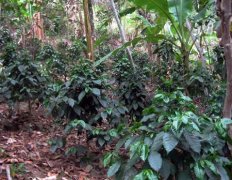
The production of coffee basic knowledge and high-quality coffee beans
Coffee trees take 3-5 years from planting to fruiting. 6-10 years of coffee trees are the most likely to bear fruit, about 15-20 years, is the harvest period. Coffee trees are usually bred in nurseries and grow into saplings, and then moved to coffee farms a year later, in full compliance with the way the Arabs planted and cultivated coffee trees. Coffee trees will continue to take root downward and upward in the first four or five years of their growth.
2014-12-28 Coffee basics common sense boutique coffee beans production coffee planting results 3-
The basic knowledge of Coffee Tree planting
Coffee is now widely grown in the ribbon between the Tropic of Cancer. Coffee grown in different regions has different tastes. The unique soil, climatic conditions and planting methods of a country make the coffee produced in that country have a unique flavor. French winemakers call this phenomenon regional style. Geographically, there are three global coffee growing areas.
2015-03-23 Coffee planting basics boutique now Tropic of Cancer occasional ribbon region
Easy understanding of Coffee beans Coffee Bean cultivation (6)
Coffee is a perennial evergreen shrub or small tree of Rubiaceae. It is a horticultural perennial cash crop with the characteristics of fast growth, high yield, high value and wide market. Wild coffee trees can grow to a height of 5 to 10 meters, but coffee trees planted on the manor are often cut to a height of less than 2 meters in order to increase the amount of fruit and facilitate harvesting. The opposite leaves of coffee trees are long oval.
2015-10-21 Easy understand coffee beans grow
Learn about the planting of coffee trees
Coffee is now widely grown in the ribbon between the Tropic of Cancer. Coffee grown in different regions has different tastes. The unique soil, climatic conditions and planting methods of a country make the coffee produced in that country have a unique flavor. French winemakers call this phenomenon regional style. Geographically, there are three global coffee growing areas.
2014-08-04 Understand coffee planting now Tropic of Cancer occasional banded regional extensive species
Various coffee cultivation methods the flavor of Ethiopian coffee
The origin of the coffee tree is Ethiopia in Africa. In botany, coffee trees belong to the evergreen trees of the subgenus Rubiaceae, and coffee beans, commonly known as coffee beans, are the seeds of the fruit of coffee trees, just because they are shaped like beans, so they are called coffee beans. Climate is the decisive factor for coffee cultivation. Coffee trees are only suitable for growing in the tropics or subtropics, so latitude 25 is south and north.
2016-05-24 Various coffee cultivation ways Ethiopia flavor origin Africa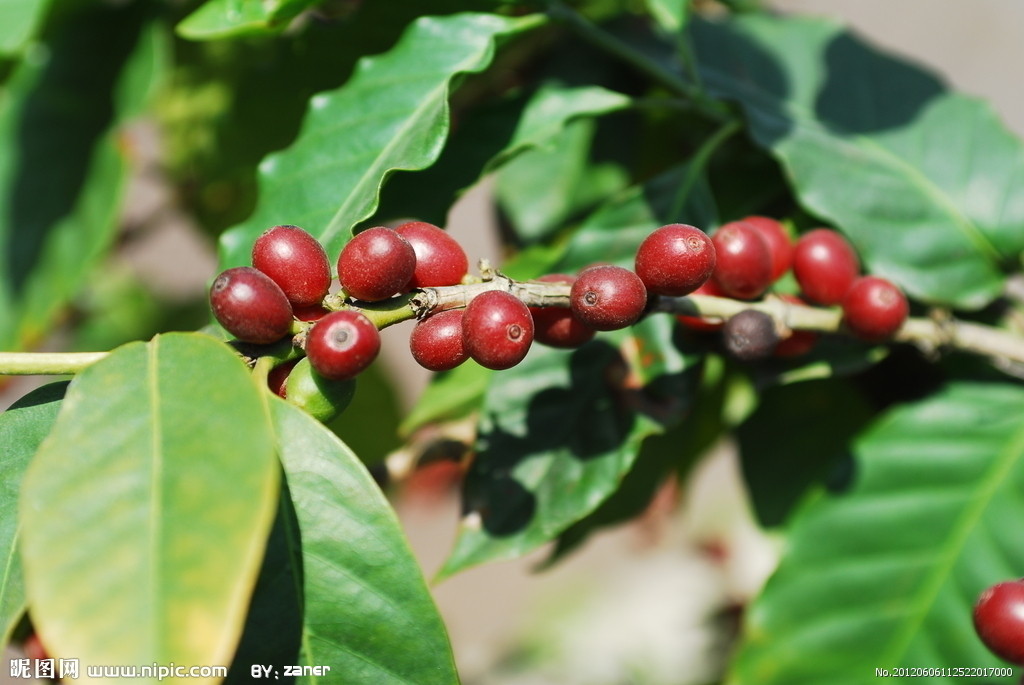
How long will it take for coffee to be planted before it can be harvested? The harvest from coffee tree planting to coffee beans is long.
Coffee trees take 3-5 years from planting to fruiting. 6-10 years of coffee trees are the most likely to bear fruit, about 15-20 years, is the harvest period. Coffee trees are usually bred in nurseries and grow into saplings, and then moved to coffee farms a year later, in full compliance with the way the Arabs planted and cultivated coffee trees. Coffee trees will continue to take root downward and upward in the first four or five years of their growth.
2016-01-07 Coffee planting how long ability harvest coffee beans long coffee knot
The general knowledge of fine coffee explains the production of coffee beans in detail.
Coffee trees take 3-5 years from planting to fruiting. 6-10 years of coffee trees are the most likely to bear fruit, about 15-20 years, is the harvest period. Coffee trees are usually bred in nurseries and grow into saplings, and then moved to coffee farms a year later, in full compliance with the way the Arabs planted and cultivated coffee trees. Coffee trees will continue to take root downward and upward in the first four or five years of their growth.
2014-11-12 Coffee knowledge coffee common sense coffee bean production
The planting method of Coffee Tree the planting environment of coffee tree introduces what kind of environment is most suitable for growing coffee
Coffee fruit contains two seeds, namely coffee beans. The two beans are connected face to face with each other on one side of the plane. Each coffee bean has a thin outer film, which is called silver skin, and its outer layer is covered with a yellow outer skin, called endocarp. The whole coffee bean is wrapped in a sticky pulp to form coffee pulp, which is soft and sweet.
2016-07-11 Coffee planting way environment introduction what kind suitable coffee fruit contains
What weather conditions are required for planting coffee trees
The planting conditions of coffee trees the origin of coffee trees is in Ethiopia, Africa. In botany, coffee trees belong to the evergreen trees of the subgenus Rubiaceae, and coffee beans, commonly known as coffee beans, are the seeds of the fruit of coffee trees, just because they are shaped like beans, so they are called coffee beans. Climate is the decisive factor for coffee cultivation, and coffee trees are only suitable for growing in the tropics or subtropics.
2016-06-13 Planting coffee need have what weather conditions planting
Introduction to the planting method of Coffee Tree where is the origin of coffee tree
The origin of the coffee tree is Ethiopia in Africa. In botany, coffee trees belong to the evergreen trees of the subgenus Rubiaceae, and coffee beans, commonly known as coffee beans, are the seeds of the fruit of coffee trees, just because they are shaped like beans, so they are called coffee beans. Climate is the decisive factor for coffee cultivation. Coffee trees are only suitable for growing in the tropics or subtropics, so latitude 25 is south and north.
2016-07-05 Coffee planting method introduction origin where coffee Africa Egypt
Coffee tree species
Coffee species Coffee trees can be divided into two main varieties: Arabica (Arabica) and Robusta (Robusta). There are also some minor species, such as the Liberian species (Liberica) and the Alabasta species (Arabusta), but they are rare on the market. Although Arabica and Roberta are widely cultivated, there are significant differences between them.
2016-05-31 Coffee type variety
Basic knowledge of Fine Coffee planting of Coffee trees
Coffee is now widely grown in the ribbon between the Tropic of Cancer. Coffee grown in different regions has different tastes. The unique soil, climatic conditions and planting methods of a country make the coffee produced in that country have a unique flavor. French winemakers call this phenomenon regional style. Geographically, there are three global coffee growing areas.
2014-12-15 Boutique coffee basics common sense planting now Tropic of Cancer occasional ribbon ground
Suriname, the first country to grow coffee
An important name in the history of coffee. Suriname (Surinam) was the first country in South America to grow coffee, and Norway was once a major importer of coffee products. However, the country's output is very small today, and it is mentioned here only for historical reasons. The Dutch, who settled in Suriname in 1667, introduced coffee trees from Java in the early 18th century. The first coffee trees were made up of
2014-09-27 Coffee knowledge the first country to grow coffee Suriname